1. National Parks & Game Reserves
Yankari Game Reserve (Bauchi State): Nigeria’s premier wildlife destination. Home to elephants, lions, baboons, and natural warm springs.
Cross River National Park: Dense rainforest, rare primates like drill monkeys and gorillas.
Gashaka Gumti National Park: Nigeria’s largest park, with rugged mountains, rivers, and diverse birdlife.
Lekki Conservation Centre (Lagos): Urban eco‑park with canopy walkways and wildlife.
👉 Safari tours, birdwatching, eco‑tourism initiatives.
.
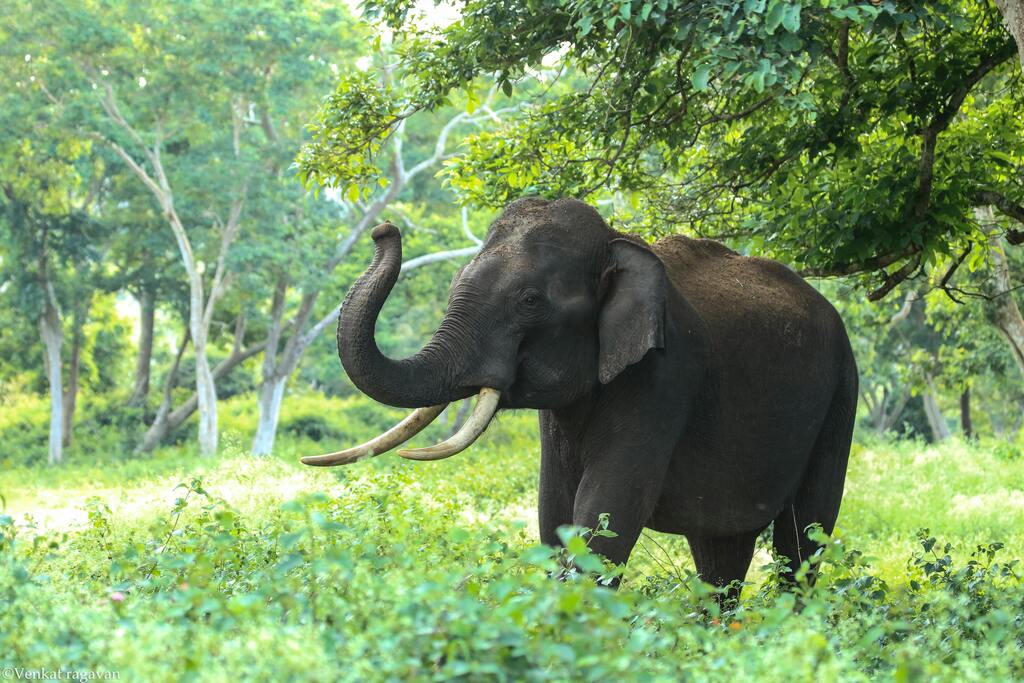
Yankari Game Reserve (Bauchi State): Nigeria’s premier wildlife destination.
2. Waterfalls & Rivers
Erin‑Ijesha (Olumirin) Waterfalls (Osun State): Multi‑tiered cascades, popular for hiking and picnics.
Awhum Waterfall (Enugu State): Scenic falls near a monastery, blending nature and spirituality.
Owu Waterfalls (Kwara State): One of West Africa’s tallest waterfalls.
River Niger & Benue: Iconic rivers offering boat tours and cultural significance.
3. Mountains & Highlands
Obudu Mountain Resort (Cross River State): Cable cars, hiking trails, cool climate, panoramic views.
Jos Plateau (Plateau State): Scenic rock formations, hiking, and cultural villages.
Idanre Hills (Ondo State): UNESCO‑listed site with ancient settlements and breathtaking views.
Mount Patti (Lokoja): Historical site overlooking the Niger and Benue confluence.
4. Beaches & Coastal Escapes
Tarkwa Bay (Lagos): Accessible by boat, popular for swimming and surfing.
Elegushi Beach (Lagos): Vibrant nightlife and cultural events.
Ibeno Beach (Akwa Ibom): One of West Africa’s longest sandy stretches.
Badagry Beach (Lagos State): Linked to slave trade history, combining leisure and heritage.
5. Eco‑Tourism & Conservation
Highlight Nigeria’s growing eco‑tourism initiatives.
Promote birdwatching (Nigeria has over 900 species).
Showcase community‑based tourism projects supporting conservation and local livelihoods.
Practical Info
Best time to visit: November–March (dry season, easier wildlife viewing).
Entry fees & permits: Overview of park fees.
Safety tips: Guided tours recommended, eco‑friendly travel practices.
The best time to visit Nigeria’s national parks is during the dry season (November–March), when wildlife viewing is easier and roads are more accessible. Entry fees vary by park, typically ranging from ₦500–₦1,500 for locals and ₦2,000–₦5,000 for international visitors. (Prices can change due to exchange rates) Safety tips include traveling with guided tours, respecting eco‑tourism practices, and preparing for Harmattan dust during December–February.
🛠 Practical Information for Nature & Wildlife Travelers
🗓 Best Time to Visit
Nigeria’s natural attractions are best enjoyed during the dry season (November–March). Wildlife viewing is easier in Yankari and Gashaka Gumti National Parks, roads are more accessible, and evenings are cooler.
Rainy season (April–October): Waterfalls are at their fullest, but roads can be muddy.
Harmattan (December–February): Expect cooler temperatures with dusty haze; bring scarves or masks for comfort.
💵 Entry Fees & Permits
Most parks and reserves charge modest entry fees, with different rates for locals and international visitors.
Nigerian citizens: ₦500–₦1,500 per adult.
Foreign visitors: ₦2,000–₅,000 per adult (approx. $2–$5 USD).
Examples:
Yankari Game Reserve: Around ₦2,000 for foreigners, ₦500–₁,000 for locals.
Lekki Conservation Centre (Lagos): ₦1,000–₂,000 entry; canopy walk extra.
Permits: Photography, camping, or research activities may require special approval from the Nigeria National Park Service.
⚠️ Safety Tips & Eco‑Tourism Practices
Travel with Guides: Rangers and tour operators ensure safety and enhance wildlife viewing.
Eco‑Friendly Travel:
Carry reusable bottles and bags to minimize waste.
Support local communities by buying crafts and staying in eco‑lodges.
Health & Comfort:
Use insect repellent and consider malaria prophylaxis.
Protect against Harmattan dust with scarves or masks.
Stay hydrated and avoid solo hikes in remote areas.
Respect Wildlife:
Keep a safe distance from animals.
Never feed wildlife or disturb habitats.
✅ Takeaway: Plan your trip for the dry season, budget for modest entry fees, and always travel responsibly with guides while practicing eco‑friendly habits.
Book your Nigerian safari today with our Viator & Expedia partners.
🇳🇬 Nigeria Gateway Experience 360
Explore Nigeria – Adventures, Culture & Beyond Explore Nigeria is your gateway to unforgettable experiences across Africa’s most vibrant nation. From breathtaking natural wonders and wildlife encounters to rich cultural festivals, bustling cities, and hidden gems, we bring together the best of Nigeria in one place. Whether you’re seeking adventure, relaxation, or authentic local traditions, our curated tours and travel insights are designed to inspire every kind of traveler.
- Instant Confirmation.
- Free Cancellation.
- Best Price Guarantee.
You'll receive a full refund if you cancel at least 24 hours in advance of most experiences.